Skip to content
Three stories sit heavily on my heart this week.
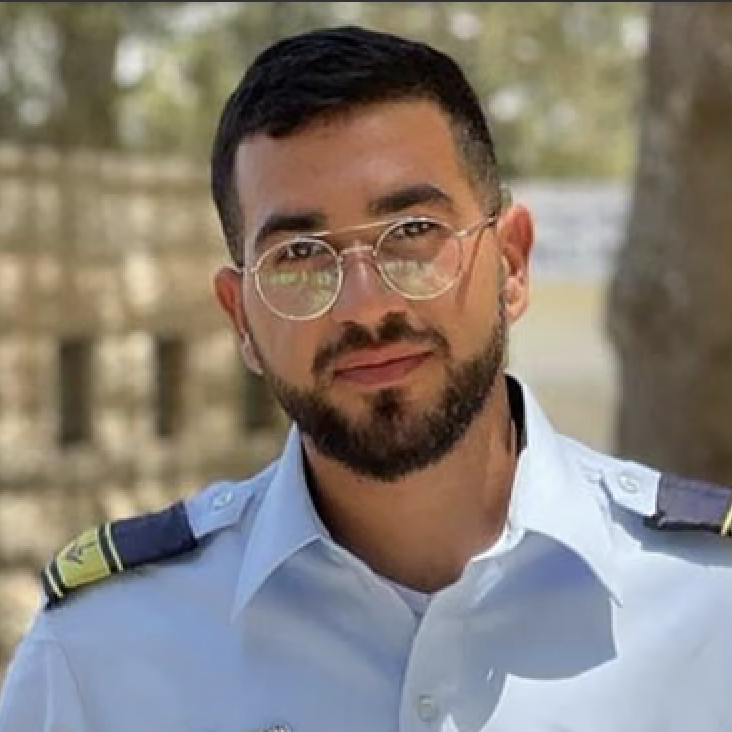 First, the return to Israel on Monday of the remains of the last hostage in the Gaza Strip, Master Sgt. Ran Gvili z”l, taken captive by Palestinian Islamic Jihad some 842 days before his return. These were a harrowing 842 days that marked tragedy for Israelis and Palestinians alike, and which saw many in Israel hold their collective breath until every last person had been returned, giving their families the closure needed — not to forget and move on, but to be able to grieve with a traditional measure of dignity and holiness. Our hearts ache for the families who have endured this waiting and have lost loved ones over the course of this war. We pray that this measure of closure in some small way helps facilitate the turning of the page on this chapter of war toward a chapter of peace between Israelis and Palestinians, recognizing that the work is hard and that there will be setbacks, but human dignity reminds us that it is worth it.
As David M. Halbfinger and Isabel Kershner reported, Master Sergeant Gvili rushed into battle when Hamas launched its attack on October 7, 2023, despite recovering from a fractured shoulder. As his father encountered his son’s coffin, he said, “You had every option to stay home, but you told me, ‘Dad, I’m not leaving my friends to fight alone.’ You went out, and you should see the honor you are being given here. The entire police force, the entire army, the entire nation is with you,” he continued. “I am proud of you, my son.”
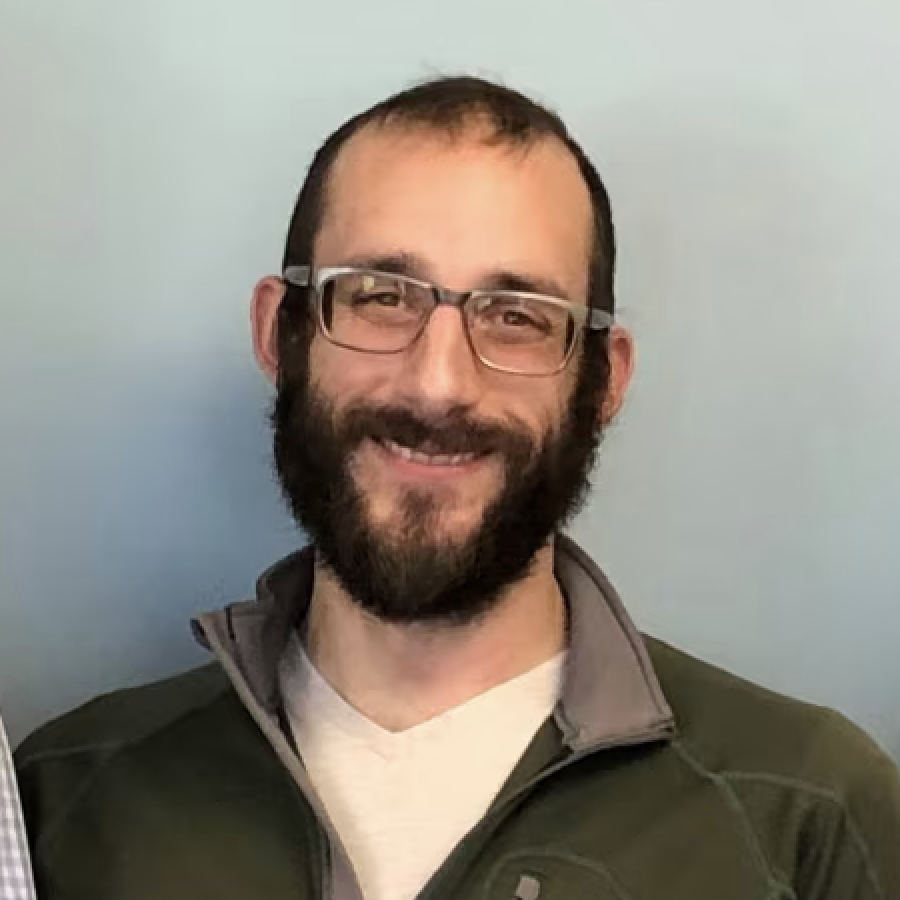 Second, I’m thinking about another memorial, this one for Alex Pretti, 37, an intensive care nurse at the Veterans Affairs hospital in Minneapolis, who was shot 10 times by immigration enforcement officers in a confrontation after he appeared to be filming protests of an intensified immigration enforcement effort. Such efforts have escalated tensions and confrontations in cities across the United States.
Once again, I cite the statement from my colleagues in the Reform, Conservative/Masorti, and Reconstructionist Movements of Judaism, which expresses, “We are pained by reports and videos indicating that in carrying out their assignment, members of law enforcement are engaging in behavior that escalates confrontation, risking the safety of those suspected of having violated the law, of bystanders and protesters, and their own safety. Candidates for law enforcement must be properly vetted, fully and carefully trained, and held accountable when they do not meet appropriate standards. Such accountability includes investigating complaints fairly, transparently, and impartially, particularly but not only, in cases of officer-involved shootings.”
I pray for leadership that understands the duty to ensure that the important work of law enforcement is carried out while understanding the sacredness of life and the importance of building trust with the communities they serve, and that sees all human beings as being equally worthy of protection and care.
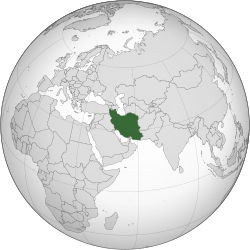 Third, I continue to be deeply distressed by reports coming from Iran about the brutal way in which its ruling regime cracked down on protesters. Over 5,000 Iranians were killed after, as reported by the New York Times, “Iran’s supreme leader, Ayatollah Ali Khamenei, ordered the Supreme National Security Council, the body tasked with safeguarding the country, to crush the protests by any means necessary… Security forces were deployed with orders to shoot to kill and to show no mercy.” Video footage shows security forces opening fire on protestors in at least 19 different cities across the country.
Once again, I cite this statement from the Reform Movement, which notes that Iran is also a regime that has supported terror and sought nuclear weapons with the explicit aim of destroying Israel and attacking Israel’s citizens, while depriving its own citizens of many personal freedoms that we have, until recently, taken for granted. I pray for a more just world, in which citizens of all nations have the right to peacefully protest.
Finally, I share the D’var Torah I offered this past Shabbat:
When the mystical sages would offer a teaching on the week’s Torah portion, they would often place more emphasis on the first verse of the portion than any other — particularly when there was something especially curious about a word in the verse. That dynamic shows up in this week’s Torah portion, Bo, in which the first verse is as follows: “God said to Moses, ‘Go to Pharaoh. For I have hardened his heart and the hearts of his advisers, in order that I may display these My signs among them.’”
The word that would catch the eye of these mystical sages is the very first word God speaks — Go, go to Pharaoh. And that’s because the Hebrew word that is used there — Bo, the name of the portion — does not in fact mean “Go” (even though it rhymes, I know that’s confusing). Bo doesn’t mean “go” to Pharaoh; Bo means “come,” “come this way;” Moses is being beckoned toward, not sent away. God is not saying, “Moses, leave My presence and go away from me to Pharaoh.” The call is coming from inside the house. God is saying, come to Pharaoh. Come to this place you know. Return.
What might this teach us?
 Rabbi Shefa Gold teaches that what God is effectively saying to Moses, and really to each of us, is “Bo! Come on in! I am waiting for you inside the heart of Pharaoh. God is inside the heart of Pharaoh.” And how do we get there? “The heart of Pharaoh,” she teaches, “is inside you,” inside each of us. The heart of Pharaoh, she writes, is “the place inside [each of us] that has grown heavy with the weight of life’s experience. It is the place that has hardened — its outer shell cynical, and its inner layers made of fear and unhealed grief. Through this heart of Pharaoh, you must [bo] come if you are to know Me, [to know God].” Through this heart, you must come “if you are to find your freedom.”
When we see travesty taking place in the outside world, sometimes our first instinct is to want to put on our cape and do what we can, do our part to save the day. And don’t get me wrong, that is absolutely necessary; we are blessed, as Fred Rogers might say, to be able to follow the helpers, to witness how good people respond to moments of hardship, and to do our part to contribute to the whole.
And alongside that, this Torah portion may be teaching, another invitation is to look inside ourselves — each of us — to the place that has hardened — its outer shell cynical, and its inner layers made of fear and unhealed grief. Through this heart of Pharaoh, you must “[bo] come if you are to know Me, if you are to find your freedom.”
There is an invitation here to reflect on what, within the outside world, do we find within ourselves? Where is our cynicism, our fear, our unhealed grief, and how can we transform it?
“Bo, come on in” the heart is saying, Shefa teaches. “I have been waiting for you for so very long.”
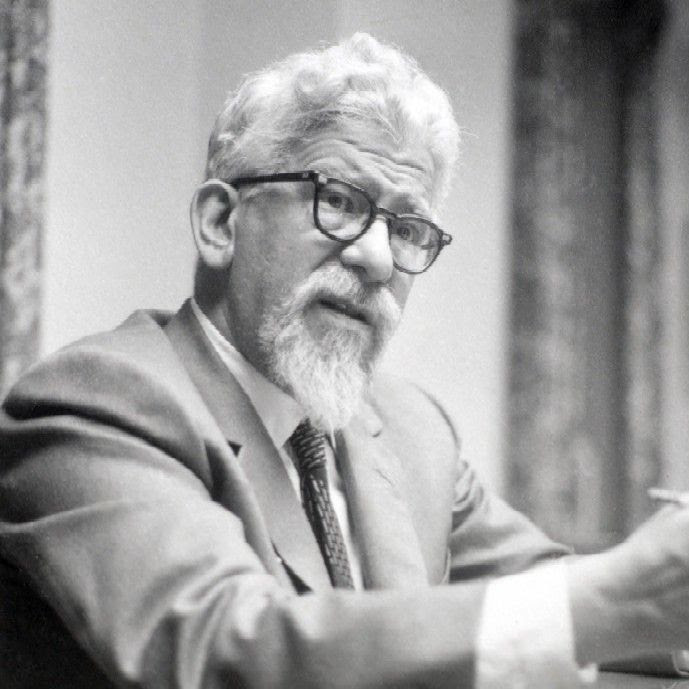 Abraham Joshua Heschel, who escaped the horrors of the Holocaust but whose mother and two sisters did not, taught that what we encounter in the outside world which is not good, we can also recognize within ourselves; what is shown to us is also within us, he teaches, and the Holy One waits constantly and keenly for our efforts and devotion; for us to bo, come, to transform our inner Pharoah, to soften the hard places.
Redemption can’t come, tradition teaches, until each of us does that.
Meanwhile, an advertisement for an online course from the Institute of Jewish Spirituality made its way to my inbox this morning, and the title of the course caught my eye: Falling in Love with the World Again: Finding Our Way When Everything Feels Broken.
The converse, in many ways, of finding the pharaoh within ourselves is falling in love with the outside world, something that the teacher of this course, Anya Kamenetz, believes is profoundly possible, and I agree. In the same way external hardship is an invitation to reflect on what has hardened within ourselves, and what could be softened, the love we have inside of us is an invitation to find love in the world.
This tension between talking about our inner pharaoh, inviting ourselves to soften, and finding beauty in the world reminds me of a teaching by one of contemporary Judaism’s favorite sages, the naturalist poet Mary Oliver:
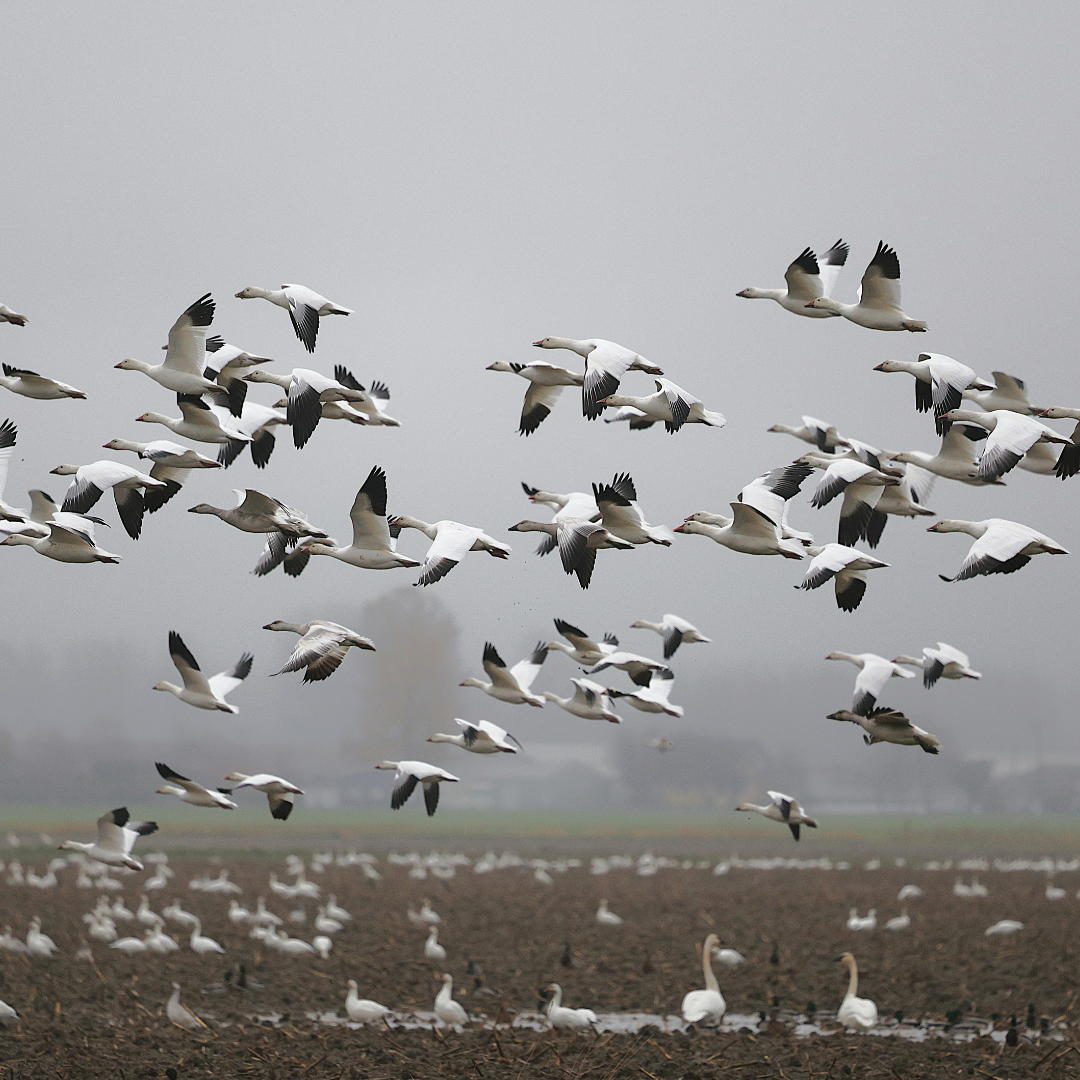 Wild Geese
You do not have to be good
You do not have to walk on your knees
For a hundred miles through the desert, repenting.
You only have to let the soft animal of your body
love what it loves.
Tell me about despair, yours, and I will tell you mine.
Meanwhile the world goes on.
Meanwhile the sun and the clear pebbles of the rain
are moving across the landscapes,
over the prairies and the deep trees,
the mountains and the rivers.
Meanwhile the wild geese, high in the clean blue air,
are heading home again.
Whoever you are, no matter how lonely,=
the world offers itself to your imagination,
calls to you like the wild geese, harsh and exciting —
over and over announcing your place
in the family of things.
There’s a little bit of pharaoh inside of us, and there is beauty and love in the world; there are pharaohs in the world, and there is beauty and love in each of us.
Slowly but surely, we seek to transform, to coax, just a little more love into each corner of the world, each corner of ourselves.
Wishing you a Shabbat of beauty and love. Shabbat shalom,
Rabbi K.