
Shabbat Zachor, the Shabbat of Remembrance: Reflections on a Challenging New Year in Israel
By Rabbi Nathan Kamesar This Shabbat is a special Shabbat known as Shabbat Zachor, the Shabbat of memory. Now, that can encompass many features of Jewish, and human, existence, but Shabbat Zachor, at least on the face of it, refers to a very specific, and somewhat challenging,
Solace for the Eagles Fans
By Rabbi Nathan Kamesar With all the challenges in the world it may seem frivolous to open up my weekly D’var Torah with a missive about the Philadelphia Eagles, but, if the Inquirer’s front page headlines are any indication, that is where our community members’

What Covenant Can Mean To Us • Boundaries, People!
By Rabbi Nathan Kamesar I want to share the D’var Torah I delivered this past Friday night on the week’s parashah, on the eve of our student Alex Howe’s Bar mitzvah: I was drawn to a very specific part of this week’s parashah, this week’s
Earthquake Response
By Rabbi Nathan Kamesar What a devastating week it’s been around the world. The numbers of dead and missing coming out of Turkey and Syria as a result of the earthquakes there are overwhelming. At the time of this writing the death toll has surpassed
Refugee Shabbat • Song of the Sea
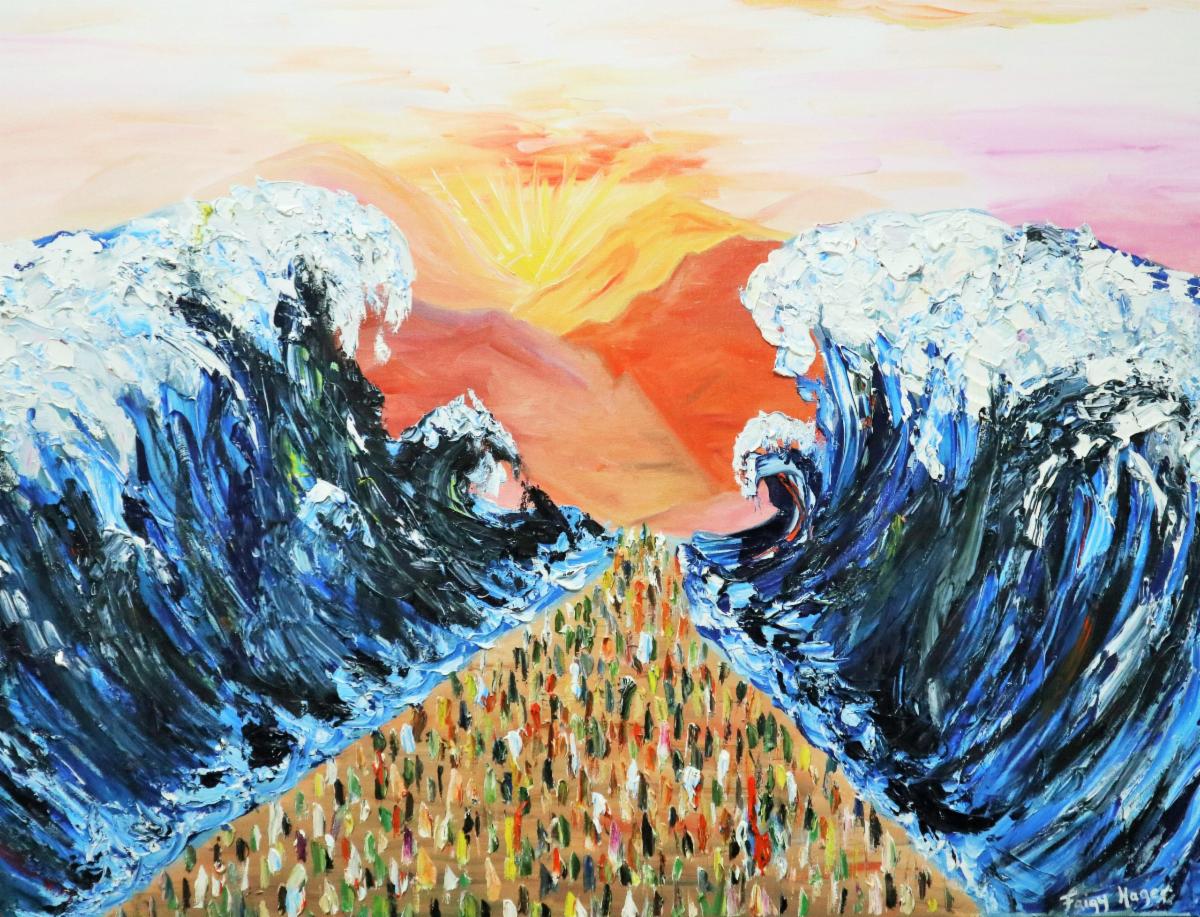
By Rabbi Nathan Kamesar I know I say this to all the B’nei Mitzvah students, Yul, but you really have a special parashah. So much so that your shabbat has a special name—Shabbat Shirah, the Shabbat of Song. Named, of course, after Shirat Hayam, the

What Can the Plague of Darkness Teach Us?
By Rabbi Nathan Kamesar This week, during Shabbat morning’s Torah discussion, we studied the ten plagues, and in particular the plague of darkness. The conversation centered around how to understand what took place during the plague of darkness and what the Torah is trying to

Rest as a Form of Sacred Offering
By Rabbi Nathan Kamesar There is a phrase that comes from the silent amidah, the silent standing prayer at the core of our worship service on Shabbat that has become something of a mantra for me as I seek to navigate Shabbat each week. That
The Four Types of Freedom
By Rabbi Nathan Kamesar When the Israelites are down, God says to Moses, “Say, therefore, to the Israelite people: I am יהוה. I will free you from the labors of the Egyptians and deliver you from their bondage. I will redeem you with an outstretched arm and through extraordinary chastisements. And I
What Does it Mean to Be “Redeemed”?
By Rabbi Nathan Kamesar I wanted to begin by sharing with you the d’var torah (Torah-based teaching) I offered this past Friday night at Shabbat services, something that I do most every Friday night mixed into our musically-infused service, which is always followed by a community dinner

The “Uniquely-American Problem”
By Rabbi Nathan Kamesar One core element of freedom, by any definition, is the freedom to not be in perpetual fear for one’s safety and the safety of one’s loved ones. The week-in-week-out—often day-in-day-out—episodes off mass gun violence we’ve seen in this country so far
Cries for Help Can Help: How We Shape Our Vessels
By Rabbi Nathan Kamesar This week’s parasha [Torah portion], is shemot, the first portion of the Book of Exodus. The book begins by letting us know that the individual family with whom we became deeply acquainted in the Book of Bereshit, the Book of Genesis, has now blossomed into a
Nose to the Grindstone/Head to the Stars • the Love of Grandparents
By Rabbi Nathan Kamesar This week’s parasha is vayehi. “He lived.” Jacob lived seventeen years in the land of Egypt, the Torah portion tells us, after he had migrated there with the rest of his family to be reunited with Joseph—Joseph the eldest son of Jacob’s beloved late

Shame as a vessel for transformation?
By Rabbi Nathan Kamesar At this past week’s Torah discussion, we discussed a heavy topic: shame. It came up in the context of the week’s parashah (Torah portion), Vayigash, meaning, “he approached.” The older brother Judah approached the younger brother Joseph, decades after Joseph’s older brother’s
Wrestling with Where We Come From
By Rabbi Nathan Kamesar This past Shabbat on Zoom — an experience we will have one more time this coming Shabbat to give our staff time off during this holiday season; I hope you’ll join us — we studied Parashat Miketz, the portion of the
The Source of Gift-Giving on Hanukkah
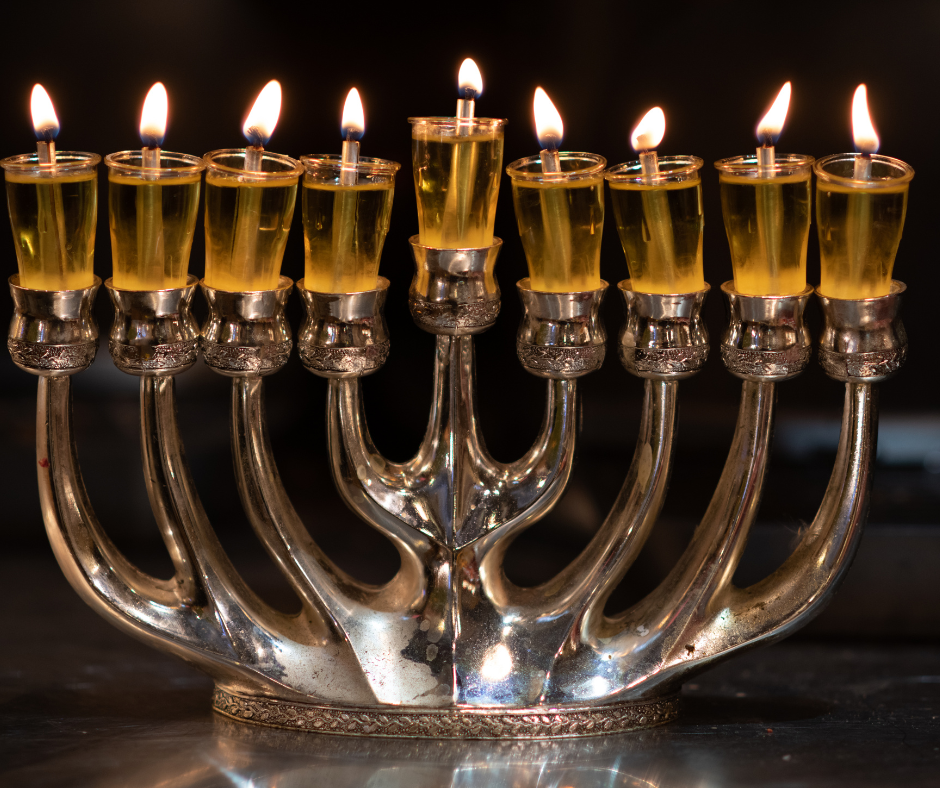
By Rabbi Nathan Kamesar We are so grateful to so many of you who have answered the call to give financial support to your synagogue community during this season of giving, the Festival of Lights: Hanukkah. There is speculation about the proliferation of the tradition of giving Hanukkah gelt.