Over the past couple of weeks we’ve been encountering some difficult material in the Torah during our weekly reading on Shabbat, material all Jewish communities all around the world read according to the same schedule. Each week at Society Hill Synagogue, we take a look at the parashah (the week’s Torah portion) together before it is chanted aloud from the scroll, thereby fulfilling the mitzvah (the sacred call)of la’sok b’divrei Torah, that we immerse ourselves in the words of Torah, seeking to shed new light on the meaning of the words of Torah in each generation, while inviting these words to shed light on our own lives.
The reason this material has been difficult is because of what it describes in the latter stages of the Israelites journey through the wilderness on their way to the Promised Land in which they pass through the territory of the Moabites, inhabited also by the Midianites, some of whom, according to the text, lure some of the Israelites into idol worship.
The response by some of the Israelites is swift and violent. Pinhas, the grandson of Moses’ brother, Aaron, the High Priest, attacks and kills an Israelite and Midianite woman engaged in an act of idolatry. Pinhas’ violent action itself is described as “impassioned” and is seemingly endorsed by God (See Numbers 25:10-13, in which God says Pinhas “has turned back My wrath from the Israelites by displaying among them his passion for Me”).
“Passion” is one word for it; another is anger, which turns out to be the theme of the following week’s parashah. Moses becomes “angry with the commanders of the army” (Numbers 31:14) for failing to fully carry out his orders of smiting the Midianite community in response to their role in the Israelites’ idol worship, the ultimate sin during this formative wilderness stage in the life of the community.
While the surface of the text in each of these passages has a viciousness to it, what is interesting is to witness the ongoing relationship of Jewish tradition to these texts.
The rabbis of the Talmud, who revere Torah study above all else, and whose teachings are described as Torah she ba’al peh, the Oral Torah, nearly on a par with the Torah itself, seem to subvert the text’s harsh implications. In the Talmudic tractate of Sanhedrin (82a), Rabba bar bar Ḥana and Rav Hisda are cited as saying that if someone in a similar position to Pinhas, having witnessed an idolatrous act, asked permission of the Rabbinic Court to carry out the “impassioned” act of justice that Pinhas carried out, would have been denied such permission; that such an act of “passion” would have no place in their day and age.
Similarly, the talmudic rabbi Shimon Ben Lakish, better known as Reish Lakish, teaches (Tractate Pesahim 66b) that Moses’ angry reaction to his officers causes him to lose, at least temporarily, his wisdom: shortly after Moses’ angry reaction is described in the text of the Torah, the Torah describes not Moses but Elezar the priest, instructing the community in a matter of law. It’s such a rare occasion in the Torah that Moses is the teacher of Torah, that the renowned Rabbi Reish Lakish infers that it must be that Moses’s anger caused him to lose sight of his wisdom.
Both layers of rabbinic interpretation weave from these texts that our visceral reaction to the violence actually teaches us something about the role of “passion” when used as a euphemism for “anger” in our lives. As Rabbi Moshe Ben Nahman (also known as Nahmanides) summarizes, our tradition teaches one should “distance oneself from anger.”
Now, as Alan Morinis, the scholar of the Jewish spiritual practice of mussar, summarizes, “distance yourself” is very different from “don’t feel.” “Everyone experiences the full range of inner states,” he writes, “and in and of itself, every inner trait is neither good nor bad. More important is how we respond to what we feel. The guidance we are being given here,” he writes “is to cultivate an inner attitude that creates some distance between the stimulus that comes at us (whether from within or outside) and our reactions to it.” He describes the practice of doing so as “witnessing,” something not so different from mindfulness practice: “We make this space by cultivating an inner capacity to bear witness.”
In our discussion of these texts in our community on Shabbat morning, we reflected that this practice of witnessing is by no means to deny that something has taken place that has aroused our passions and warrants our attention, but it is inviting us to form a capacity to respond from a place of equanimity in relationship to the stimulus that has caused us passion, or, yes, anger.
What’s fascinating to me is not only the rabbinic insights around the relationship between stimulus and response, anger and equanimity, relationships I am still working out, but also the relationship between the biblical layer of text and the rabbinic; scripture (i.e., the text of the Torah itself), and Torah she’ba’al peh, the Oral Torah, delivered by the rabbis. It speaks to the ongoing, unfolding nature of Jewish learning and living, our evolving relationship to our tradition, the empowerment of each generation to make meaning of the text for ourselves, while remaining passionately committed to the conversation. That’s some passion I can get on board with.

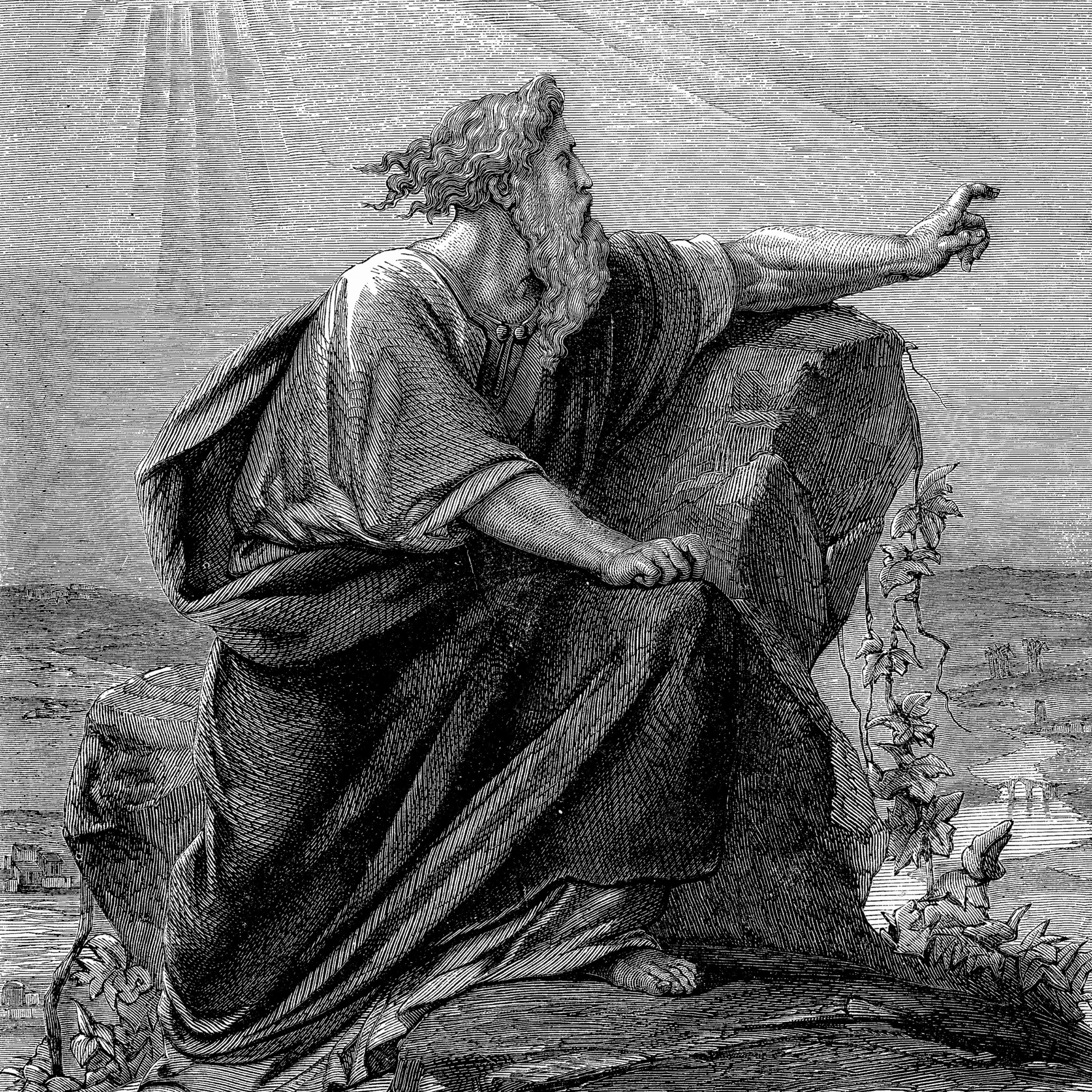 The response by some of the Israelites is swift and violent. Pinhas, the grandson of Moses’ brother, Aaron, the High Priest, attacks and kills an Israelite and Midianite woman engaged in an act of idolatry. Pinhas’ violent action itself is described as “impassioned” and is seemingly endorsed by God (See Numbers 25:10-13, in which God says Pinhas “has turned back My wrath from the Israelites by displaying among them his passion for Me”).
 Similarly, the talmudic rabbi Shimon Ben Lakish, better known as Reish Lakish, teaches (Tractate Pesahim 66b) that Moses’ angry reaction to his officers causes him to lose, at least temporarily, his wisdom: shortly after Moses’ angry reaction is described in the text of the Torah, the Torah describes not Moses but Elezar the priest, instructing the community in a matter of law. It’s such a rare occasion in the Torah that Moses is the teacher of Torah, that the renowned Rabbi Reish Lakish infers that it must be that Moses’s anger caused him to lose sight of his wisdom.