Judaism does not actively seek converts. It never has — there is no missionary tradition, no pressure, no expectation that people outside the Jewish community will find their way in. And yet people do. They always have. Some come because they fell in love with someone Jewish and found that Judaism spoke to them too. Some grew up with Jewish ancestry that was lost or hidden and feel called to reclaim it. Some simply encounter Jewish thought, practice, or community and find something there that answers a question they have been carrying.
Whatever brings someone to Judaism, the tradition takes the choice seriously. Conversion is understood not as a transaction but as a transformation — a genuine entering into Jewish peoplehood, with all the history, obligation, and meaning that carries. The Talmud records that rabbis were expected to turn potential converts away three times before accepting them, precisely because the commitment is so significant. That custom is not widely practiced today, but the spirit behind it is: conversion should not be a casual choice.
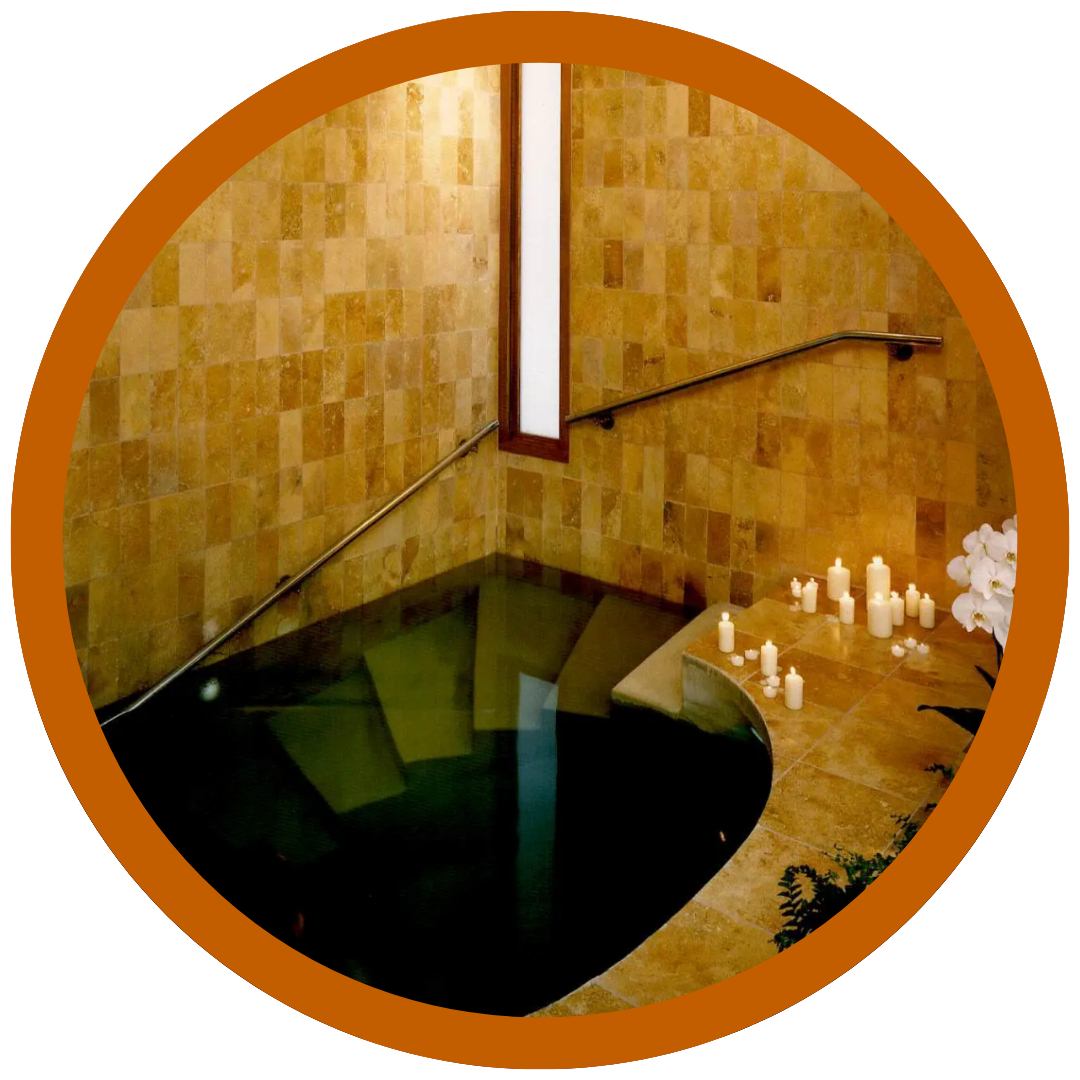
At its center, conversion in the liberal Jewish world involves study, community immersion, and ritual. A candidate learns Jewish history, theology, prayer, holidays, and practice — not to pass a test, but to begin building a Jewish life. They become part of a community, attending services, observing Shabbat and holidays, and developing relationships with Jewish people. When they and their sponsoring rabbi feel ready, the process culminates in a beit din — a conversation with a small panel of rabbis — and immersion in a mikveh, a ritual pool whose waters mark the threshold between one identity and another. Some candidates also choose a new Hebrew name.
What conversion requires varies by movement. The process is not about meeting a checklist; it is about genuinely becoming part of the Jewish people. Conversion is not the only path. Many people engage deeply with Jewish community and practice without converting, and are fully welcome at Society Hill Synagogue. If you are not sure where you stand, that is a fine place to start. Rabbi Kamesar is glad to meet you there.

 Whether you are curious about Judaism, exploring it seriously, or ready to begin the conversion process, Society Hill Synagogue welcomes you.