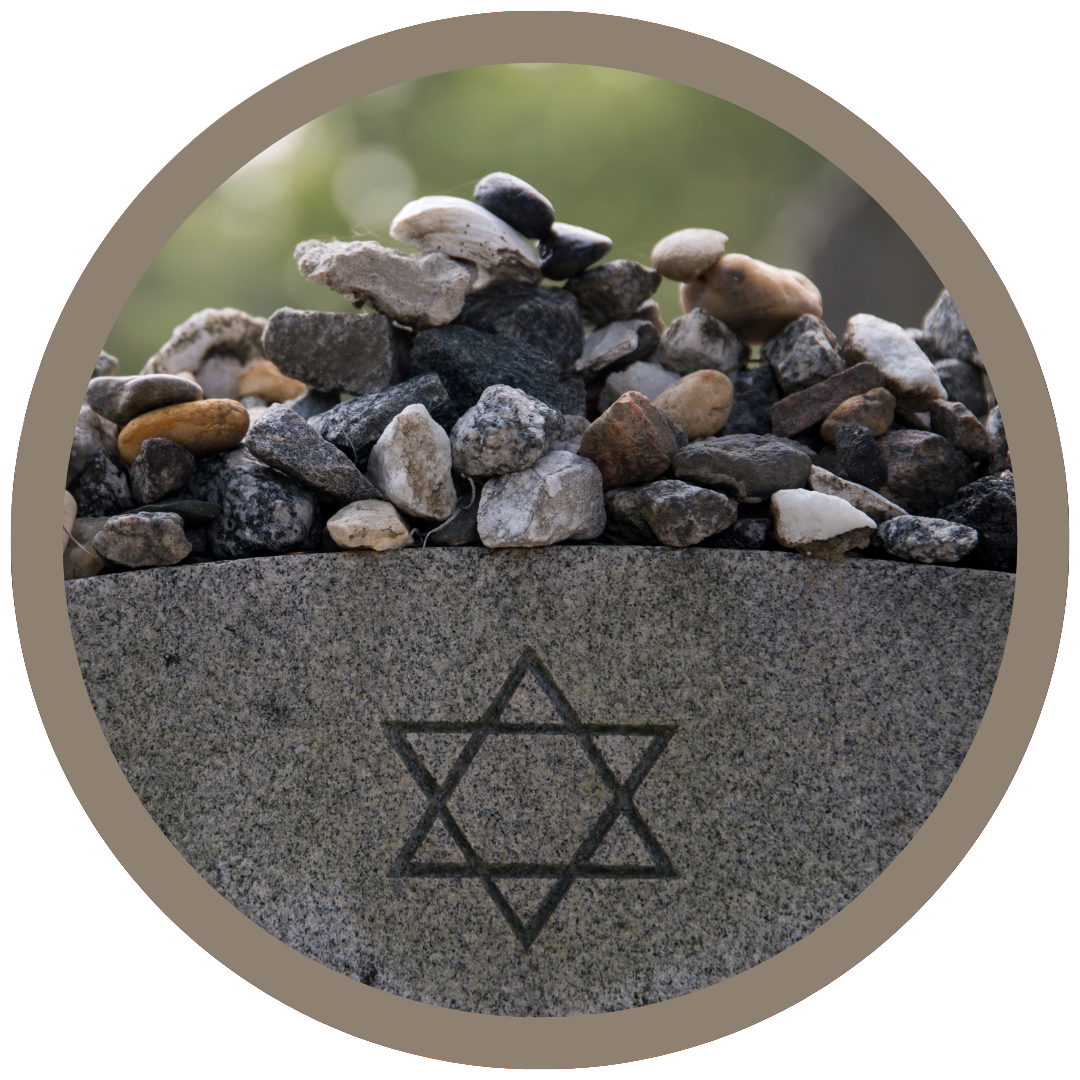
Judaism does not leave mourners alone with their grief. It gives them a structure — a set of practices that hold loss inside a community and make space for grief to move at its own pace.
In the immediate days after a death, the focus is on the mourners: they are not expected to cook, host, or perform. The community comes to them. After the burial, the shiva period begins — seven days during which mourners gather in the home, receive visitors, and are accompanied through the first and most acute stage of grief. Prayer services are often held in the shiva house, giving mourners a chance to say Kaddish — the Jewish mourner’s prayer, which speaks not of death but of the greatness of God — in the company of people who love them and a community who supports them.
After shiva comes shloshim, the thirty-day period. The intensity of mourning eases, but the structure continues: mourners begin to return to everyday life while still observing certain restrictions that mark them as people in the midst of something significant. For those mourning a parent, a twelve-month period follows, with Kaddish recited daily. Throughout the year and in the years after, the community marks yahrzeits — the anniversaries of deaths — and gathers for Yizkor, the memorial service recited on Yom Kippur and three pilgrimage festivals, when we stop collectively to remember those we have lost.
This structure is not rigid. Rabbi Kamesar will help your family find the form of mourning that fits who you are and what you need.