In this week’s reflections, I wanted to share a little bit about some of the discoveries we have made together in our weekly Torah discussion that takes place every Saturday morning during our Shabbat services here at Society Hill Synagogue.
Services begin each week at 9:30 am with Pesukei D’zimrah — verses of Psalms and song that slowly open up our hearts to the experience of prayer in the morning. Jewish tradition has long understood music to be a bridge to a spiritual experience; the Psalms regularly invoke the musicality of these ancient expressions of praise, awe, and wonder, and we carry on that tradition to this day, steeping ourselves in song as a means of opening up our hearts in the morning.
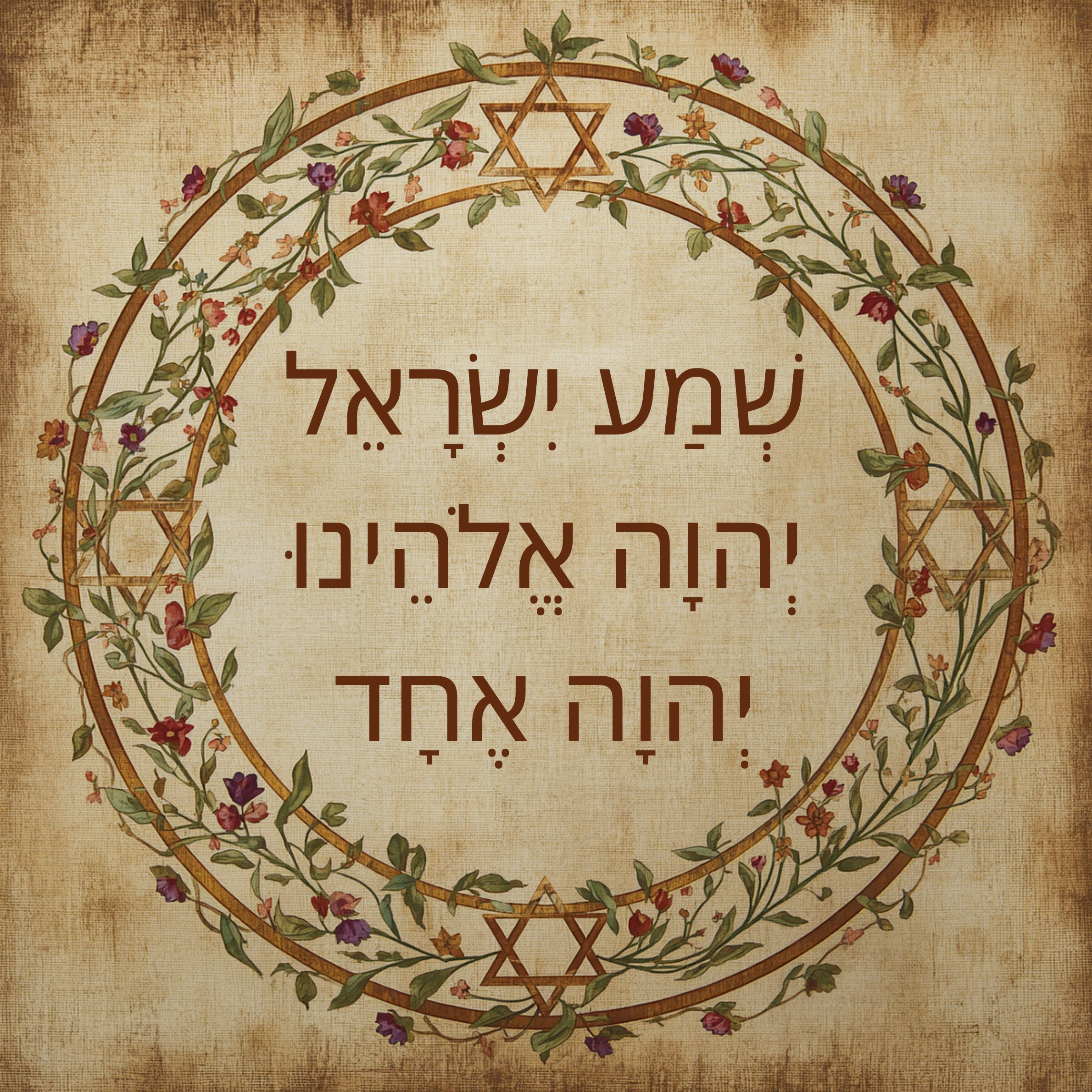
This part of the service flows into the Shema, that ancient, timeless call to listen — to the Oneness from which we all flow and which connects us all. The words of the first line of the Shema are “Shema Yisrael Adonai Eloheinu Adonai Ehad,” which can be translated as “Listen, O Israel, [for] Adonai [a pronunciation of the name for God that comes from the verb “to be,” as in, “the One Who Is” or “Being”] who is our God, [for] Adonai who is One.”
From there, the service flows into the Amidah, the standing prayer that mirrors our ancient korbanot, offerings or sacrifices, from the root “k-r-v”, which means to draw close, or to draw near. It is through this offering that we feel the nearness of the Divine.
When it’s working properly, all of this has been completed by 10:30 am. At that point, we begin the mitzvah — the fulfillment of the sacred act — of Torah study. Together, with everyone present in the Sanctuary, we study just a few verses of the week’s Torah portion, the same portion that Jews all around the world are reading that week.
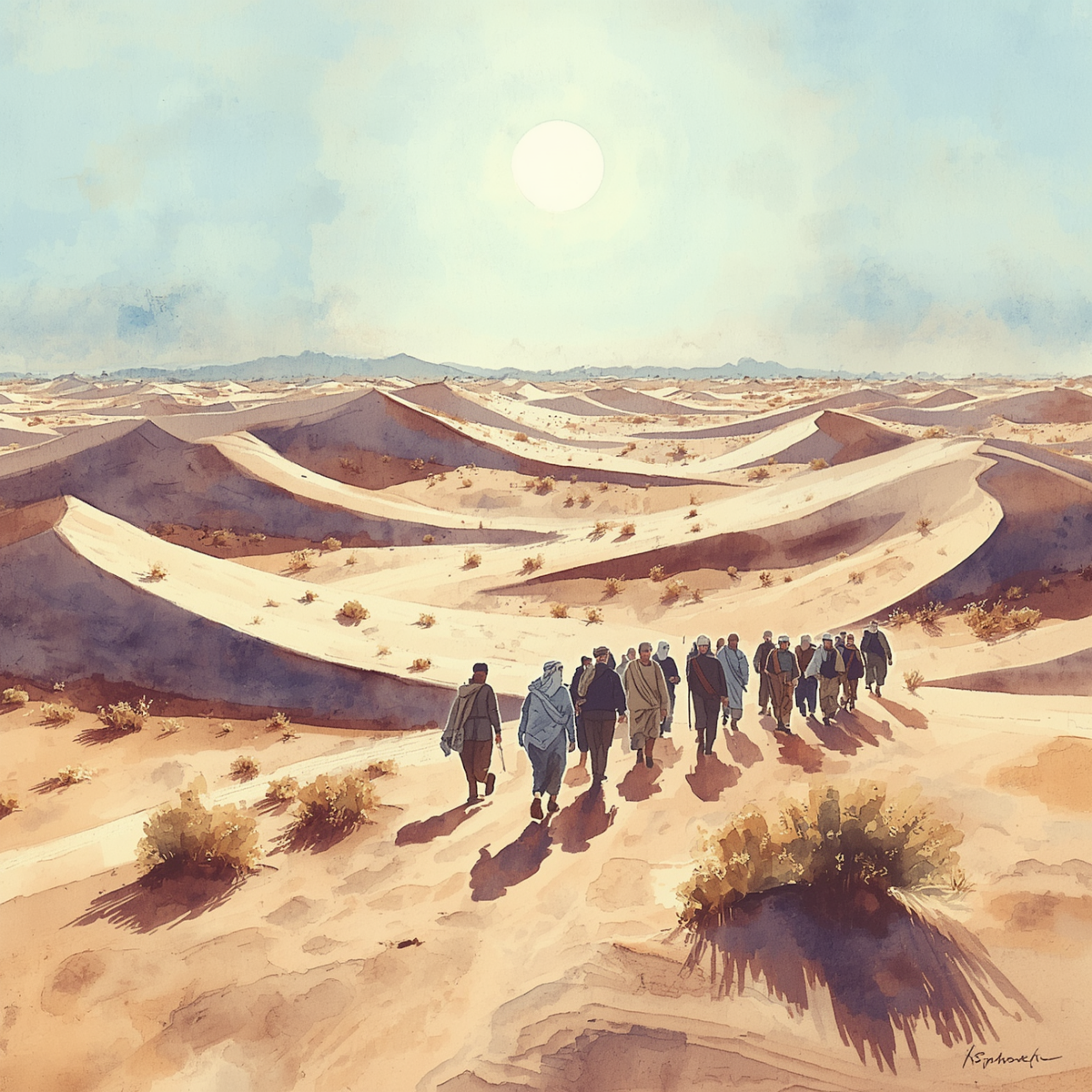
For example, over the last few weeks, we have been working our way through Bamidbar, the fourth of five books of the Torah. This book’s name literally translates to “in the wilderness,” for in it, the Israelites are making their way through the wilderness from Sinai to the Promised Land. Its English name is Numbers because census-taking is an integral part of their wilderness journey.
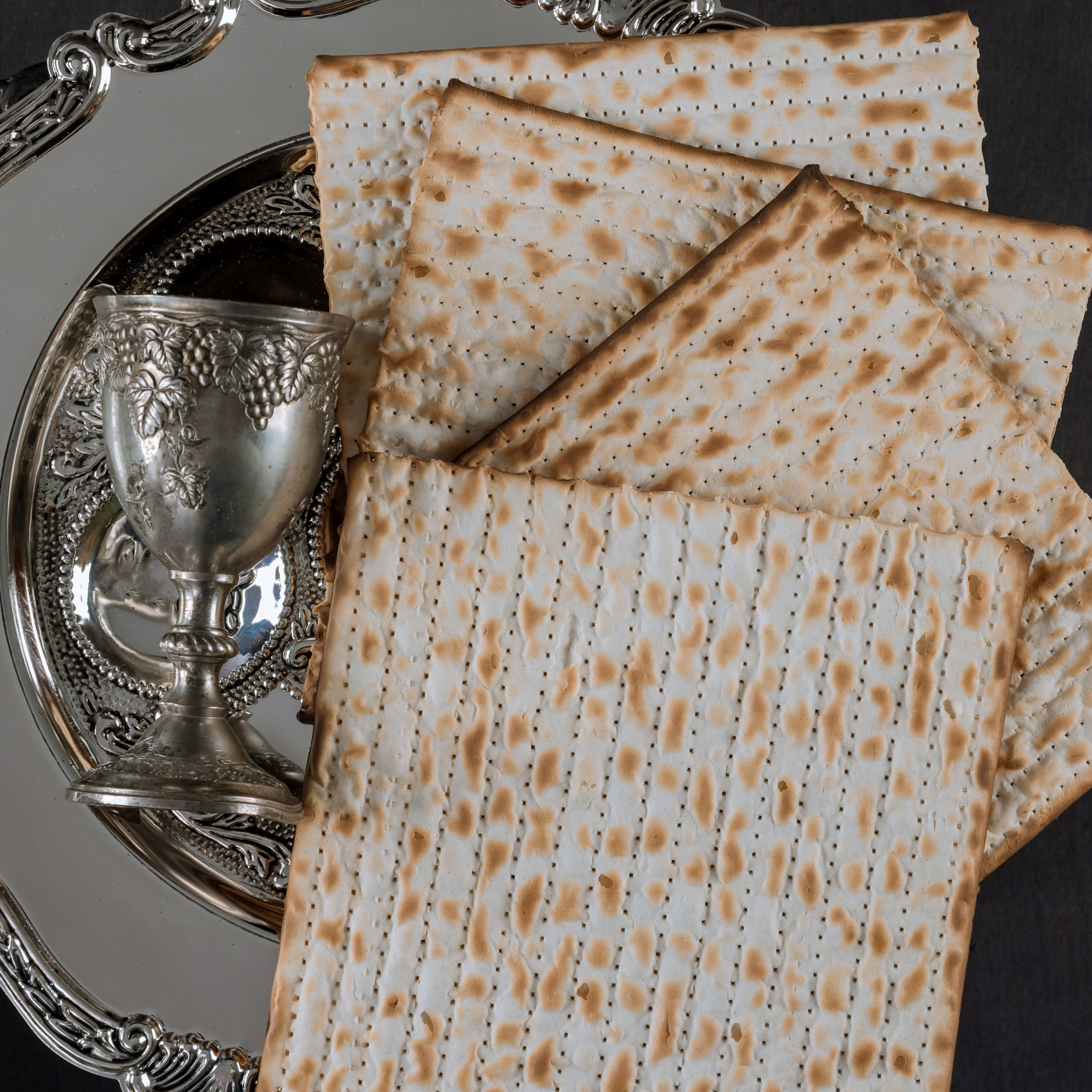
Two weeks ago, we studied a section known, consciously or otherwise, to those of us who have experienced a Passover Seder: the Israelites are celebrating the first Passover in the wilderness, and they receive the instruction to “eat it [the Passover sacrifice] with unleavened bread and bitter herbs” (Numbers 9:11). What appears to be a noncontroversial, straightforward instruction in fact sparks a later rabbinic debate: some rabbis lift up a rabbinic principle which says that each mitzvah — each sacred act — should receive its own moment to shine. Hence, for example, the traditional prescription which says we do not celebrate a wedding on Shabbat; each should have their moment. Thus, they argue that the word “with” — “eat it with the unleavened bread and bitter herbs” (translated from the Hebrew “al”) — means “during the same meal as,” but, when fulfilling the mitzvah, not in the same bite.
Famously, Hillel, the renowned rabbinic sage, disagrees: not only is the interpretation of eating them together the more plausible one, but the implication of eating them together is vital — the freedom and joy symbolized by matzah, the bread we ate when we were on the cusp of that freedom, joined with the bitter herbs — the bitterness of our oppression and constriction. Life rarely holds each moment uninfluenced by the other; the two experiences in our lives are in conversation with one another. Hence, the famous Hillel sandwich.
So how does our tradition navigate between the two approaches, the collective rabbis who say we fulfill each mitzvah — the mitzvah to eat matzah and the mitzvah to eat bitter herbs — separately, and the one who says we combine them? It holds space for both: in our tradition, during the Passover Seder, we first eat matzah on its own, then bitter herbs on their own, and then we combine them in a sandwich, the final three steps before the Passover dinner.
Jewish tradition finds a way to hold space for conversation, even through ritual, it finds a way to hold multiple viewpoints, giving us the space to wrestle our way to truth.
The following week, we encounter the Israelites further along in their/our wilderness wanderings. They have reached the precipice of the Promised Land and before entering, they wish to scout out the land to better understand what they are getting themselves into.
What begins as an effort to understand the land develops into one of the major calamities of the Israelites’ journeys. Through the reports of the scouts, the vast majority of the Israelites lose faith in their capacity to enter and settle in the land, lamenting that they had not died in Egypt. As a consequence, God determines that it is not they, but their descendants, who will be the generation to enter the Promised Land. The collective needs to journey for 40 years in total.
One particular report from the scouts elicited God’s heartache. “All the people that we saw in it are of astonishingly great size,” reported the scouts. “And we looked like grasshoppers to ourselves, and so we must have looked to them” (Numbers 13:32-33).
According to the midrash (sacred rabbinic teachings on the text), God responds and says, “You don’t know what you have just let your mouths utter,” continuing, “I am ready to put up with your saying, ‘we looked like grasshoppers to ourselves.’ But I do take offense at your asserting, ‘and so we must have looked to them.’ Could you possibly know how I made you appear in their eyes? How do you know but that in their eyes you were like angels?”
According to this midrash, our failing was not our self-assessment, but our projecting and assuming. We empowered others through our projection onto them of what their assessment of us must be, in such a way that disempowered ourselves.
We defeat and reject ourselves before we even give others the chance to accept us and embrace us as we are.
“How do you know but that in their eyes you were like angels?”
This is not the first generation in which our very human challenges, heartaches, and foibles have been present. Our ancestors struggled with many of the same questions, and Jewish tradition implores us to engage with our sacred texts each and every week to search for wisdom and insight. I hope you’ll join us.

 Two weeks ago, we studied a section known, consciously or otherwise, to those of us who have experienced a Passover Seder: the Israelites are celebrating the first Passover in the wilderness, and they receive the instruction to “eat it [the Passover sacrifice] with unleavened bread and bitter herbs” (Numbers 9:11). What appears to be a noncontroversial, straightforward instruction in fact sparks a later rabbinic debate: some rabbis lift up a rabbinic principle which says that each mitzvah — each sacred act — should receive its own moment to shine. Hence, for example, the traditional prescription which says we do not celebrate a wedding on Shabbat; each should have their moment. Thus, they argue that the word “with” — “eat it with the unleavened bread and bitter herbs” (translated from the Hebrew “al”) — means “during the same meal as,” but, when fulfilling the mitzvah, not in the same bite.